Review the status, goals, and results of WES's active field programs.
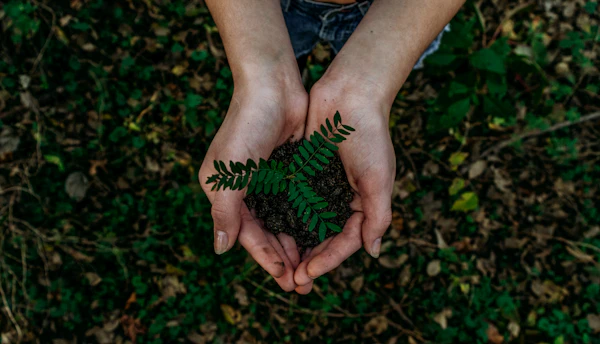
We work with local volunteers to establish biodiversity corridors. Our primary focus is restoring native forest cover to mitigate rising carbon rates and support avian ecosystems.

Implementing compost infrastructure and smart recycle drop boxes in metropolitan areas. We conduct community educational sweeps to drop single-use plastics from household habits.

WES hosts public panel discussions, carbon offset calculators, and local seminars. We help communities understand current carbon footprints and actionable ways to transition to clean energy.

Restoring freshwater ecosystems by building bio-retention filters along polluted river outlets and coordinating shoreline cleanups to block runoff toxicity into deep waterways.
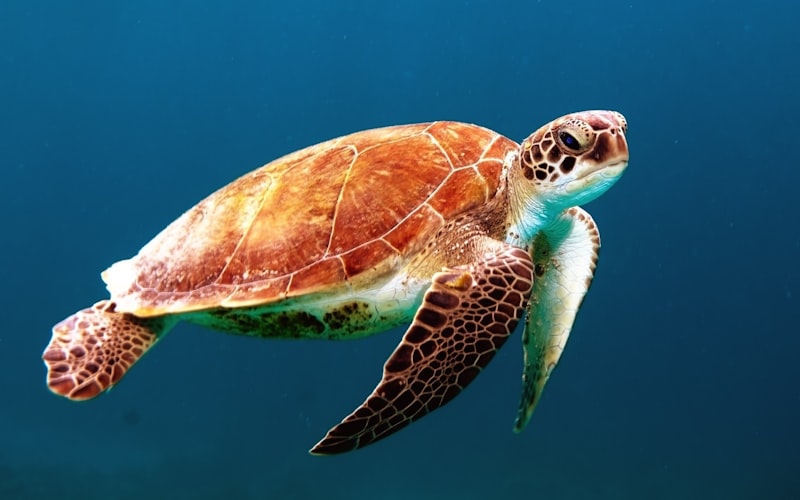
WES funds local marine sweeps to clear ghost netting and deploys motion-capture cameras to map endagered mammal patterns in expanding human encroachment sectors.

Designing science curricula for schools and hosting hands-on nature discovery camps. We build next-gen awareness of climate pathways, clean energy models, and recycling.